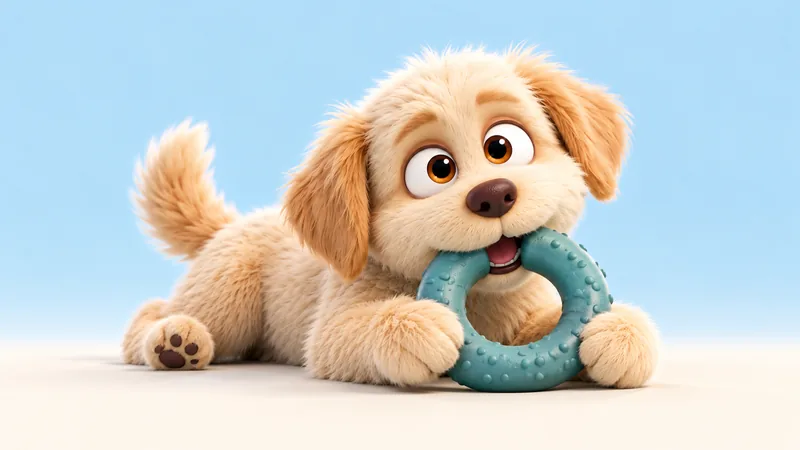
Labrador puppies explore the world with their mouths. Soft nips during play are normal; the goal is not “never use the mouth,” but bite inhibition and better outlets — toys, chews, and calm games — so hands, ankles, and clothes stop being the default.
If biting is hard, sudden, or paired with stiffness, growling over resources, or fear, skip DIY and talk to a qualified trainer or your vet first.
Quick Answer
- Keep legal chew toys within reach and offer one the moment teeth hit skin.
- Freeze, then end the game for 10–20 seconds if mouthing continues.
- Teach a simple toy trade instead of chasing sleeves or hands.
- Keep practice short; stop while the puppy is still successful.
- Protect naps — overtired Labs get mouthier.
- Manage kids, guests, and hand-wrestling so the wrong habit is not rehearsed.
Why Labrador puppies bite
Mouthing is part of how Labs grow into their bodies and social skills. Understanding the drivers helps you pick the right fix instead of stacking random corrections.
Teething and development
Adult teeth typically begin coming in around 12–16 weeks, and biting often intensifies in that window; adult teeth are usually present by about seven months.1 A puppy that seemed “fine” at 10 weeks can suddenly raid sleeves again during teething. Soft rubber toys and supervised chews help more than saying “no” louder.
Age and teething are about development. How quickly behavior improves depends on consistency, sleep, and whether skin play still pays off — those clocks are separate.
Play and social learning
Littermates teach “too hard” with yelps and walk-aways. At home you become the playmate. If hands keep wrestling after a hard nip, the puppy learns that skin is part of the game. Organizations such as the ASPCA describe bite inhibition as learning to control mouth pressure with people, often starting with clear pauses when play gets too hard.2
Overstimulation and fatigue
Tired Labs get sharper and sillier. Guests, long park visits, and back-to-back training can tip a soft mouth into frantic grabbing. Mouthiness after big days is often a sleep problem wearing a training costume. PetMD and AKC both note that overtired puppies may bite more and benefit from enforced rest.13
Accidental attention
Even “Ow! Stop!” can reward the habit if it keeps the game going. Labs love interaction. A brief pause — standing up, turning away, leaving for 10–20 seconds — removes the payoff more clearly than a lecture.
Breed energy, not “dominance”
Labs are mouthy, food-motivated, and social. Hard play is rarely a bid for household rank. Framing every nip as dominance leads people toward confrontation that escalates arousal. Treat biting as a skill and outlet problem: teach where the mouth belongs, and remove rehearsal of the wrong target.
How to stop Labrador puppy biting: 6 practical steps
Use this as a repeatable loop. Consistency across adults and older kids matters more than perfect technique. You do not need special equipment — a few sturdy toys, a quiet rest spot, and household agreement are enough to start.
1. Make toys the easiest option
Keep 2–3 legal chew toys within arm’s reach in every room you use with the puppy. When teeth hit skin or fabric:
- Freeze for a second — stop moving your hands.
- Offer a toy toward the mouth (don’t shove).
- Praise calmly the moment the toy is chewed instead.
- If the puppy keeps chasing hands, end the game: stand up, turn away, or leave the room for 10–20 seconds.
Come back and restart with a toy already in play. The ASPCA recommends substituting a toy when a puppy gnaws on fingers or toes, and carrying a tug toy for ankle ambushes.2
2. Teach a simple “trade”
Say a cue like “get your toy,” drop a toy, and mark/reward when the puppy takes it. Later, trade a toy for a treat so giving things up stays safe and friendly — useful when they grab sleeves, remote controls, or the corner of a rug.
Practice trades when nothing dramatic is happening. Then use the same cue mid-chaos. If the puppy already has something dangerous, trade up with something better rather than chasing and yanking.
3. Keep sessions short
Three to five one-minute games beat one exhausting battle:
- Gentle tug with rules: toy only; pause if teeth touch skin.
- “Find it” with kibble tossed on the floor to use nose and mouth productively.
- A stuffed Kong or frozen washcloth (supervised) after play to settle gums.
End while the puppy is still successful. Quitting on a win keeps the next session easier.
4. Protect sleep and downtime
Overtired Labs get mouthier. Use a crate or pen as a calm rest space, not punishment. After play, visitors, or a walk, schedule a nap before the next round of chaos. Many young Labs need several daytime rest blocks, not only a long night.
5. Manage the environment
- Redirect before rehearsals: if sleeves trigger biting, have toys ready before play starts.
- Skip rough hand-wrestling games that teach “skin is for biting.”
- Supervise kids; teach them to freeze, drop a toy, and get an adult instead of squealing and running.
- Use baby gates or a pen when you cannot actively coach.
6. Plan for guests and evening chaos
Visitors and late-day fatigue raise arousal fast. Before the doorbell, put a stuffed chew in the pen or clip a light leash so you can guide the puppy away from pant legs. Ask guests not to squeal, shove hands in the puppy’s face, or roughhouse on arrival.
If the puppy is already over threshold — glassy eyes, zoomies, crocodile rolls — end social time. Rest first, train later. Evening spikes often mean the puppy needs a nap more than another correction.
A sample day
| Time | Focus |
|---|---|
| Morning | 5 min play → chew toy → breakfast |
| Midday | Short training (sit / name game) → enforced nap |
| Afternoon | Sniffy walk or yard time → toy redirect if mouthy → rest |
| Evening | Calm tug or find-it → chew → bedtime routine |
Adjust to your puppy’s age and your schedule — the pattern (play → chew → rest → short training) matters more than the clock.
How to track progress with puppy biting
Progress varies by puppy, household consistency, teething stage, and sleep. There is no reliable week-by-week guarantee. Watch for signs of change, not a fixed calendar:
- Quicker switches from hands to toys when you offer one
- Softer mouth during known play games
- Shorter recovery after you pause or leave
- Fewer spontaneous ankle ambushes in hallways
- Mouthiness clustered in high-arousal moments (guests, evenings) rather than all day
Growth spurts, new visitors, and teething peaks can bring biting back briefly. Return to the same plan instead of inventing harsher methods.
Keep a simple note for a few days: when biting happens, what preceded it, and what you tried. Patterns (always after 7 p.m., always with one child, always when the toy basket is empty) are easier to fix than a vague sense that “it’s getting worse.”
If nothing shifts after honest consistency — toys ready, pauses used, sleep protected — widen the lens to pain, fear, or professional coaching rather than adding louder corrections.
Common mistakes
- Hand play as the main game. Wrestling with bare hands rehearses the exact behavior you want to stop.
- Delayed consequences. Correcting 30 seconds later teaches nothing useful; the puppy already moved on.
- Punishing after the fact. Yelling, alpha rolls, or holding the muzzle shut can raise fear and worsen hard mouths. The ASPCA warns that physical punishment for playful mouthing can make puppies bite harder or become afraid.2
- Inconsistent house rules. One person redirects, another roughhouses — the puppy bets on the fun version.
- Under-sleeping the puppy. More “training” on an exhausted Lab often means more teeth.
- Only managing, never teaching. Pens help, but you still need short, coached redirects when you are engaged.
When puppy biting needs professional help
This guide is educational, not a diagnosis or a behavior plan for every dog.
Get professional help sooner if you see:
- Hard bites that break skin repeatedly despite management
- Guarding food, toys, resting spots, or people
- Freezing, hard stares, or growling when approached
- Sudden aggression after illness, injury, or a fall
- Mouthing that looks frantic, fearful, or like a “tantrum” with a stiff body rather than loose play2
AKC’s chief veterinarian notes that play biting is not the same as a vicious dog, but if you have not been able to moderate the behavior by about six months, it is wise to consult an experienced trainer or behavior specialist.3
Ask your vet to rule out pain, and look for a force-free / reward-based trainer familiar with puppies. Early help is cheaper than waiting until adolescence hardens a pattern.
Frequently Asked Questions
Is Labrador puppy biting normal?
Yes. Soft mouthing and play nips are common, especially through teething. Normal does not mean “ignore it.” Redirect early so hands never become the preferred toy.
When do Labrador puppies stop biting?
Teething-related mouthing often peaks around the puppy-to-adult tooth transition (about 12–13 weeks) and eases as adult teeth finish coming in — typically by about seven months — if people respond clearly and consistently.1 That is a developmental window, not a promise that habits disappear on a birthday. Mouthing that has been rewarded can continue longer.
What if my puppy bites my hands and feet?
Moving hands and feet are exciting targets. Play with toys instead of bare skin, freeze when teeth land, and redirect to a chew or tug. PetMD advises calm walking so feet are less of a chase toy, and seeking a behavior professional if bites include holding with pressure, body tension, deep growling, or head shaking.1
Why is biting worse in the evening?
Evenings often combine a tired puppy, leftover arousal from the day, and busy human attention. Try an earlier nap, a short calm game with a toy, then quiet chew time — not a late wrestling match. If the puppy cannot settle, rest first.
Will my Labrador puppy grow out of biting without training?
Some intensity drops after teething, but habits stick if skin play paid off for months. Plan on active redirects through the mouthy phase rather than waiting it out.
Should I yelp like another puppy?
A short, calm “ow” can work for some dogs; others get more aroused. AKC notes that if yelping winds a puppy up, turn away, walk away, or use a calm break instead.3 Match the method to your puppy’s response.
Is it play biting or a reason to seek professional help?
Loose body, soft face, and grabbing that softens when you pause usually point to play. Stiff body, hard stares, growling, fear, guarding, or bites that break skin despite management are reasons to get help from a vet and a qualified trainer or behavior professional.2
Can I use bitter sprays on my hands?
Sprays are a management tool for furniture or specific objects, not a full training plan. Focus on toys, pauses, and sleep. Ask your vet before putting anything on skin the puppy might lick a lot.
What if my puppy bites children?
Never leave young kids unsupervised with a mouthy puppy. Teach children to freeze and get an adult; remove the puppy to a pen when arousal climbs. If skin is broken or the puppy targets kids specifically, get a qualified trainer involved promptly.
Does crate training help with biting?
A crate or pen helps by enforcing naps and preventing rehearsal when you cannot coach. It is not a punishment booth. Pair rest spaces with calm chews and predictable routines.
Sources
- Sung, W. (reviewed). How To Stop a Puppy From Biting. PetMD. Covers teething peaks (~12–16 weeks), adult teeth by ~7 months, redirection, rest, and when to seek professionals.
- ASPCA. Mouthing, Nipping and Biting in Puppies. Bite inhibition, toy substitution, time-outs, precautions against physical punishment, and when mouthing may signal fear or aggression.
- American Kennel Club. How to Stop Puppy Biting and Train Bite Inhibition. Ending play when bitten, toy redirects, rest/time-outs, and consulting a trainer if moderation has not worked by about six months.
The Bottom Line
Stop Labrador puppy biting by changing the payoff: toys win, skin ends the game, sessions stay short, and sleep is protected. Keep the plan boring and consistent across the household. Use management so the wrong habit does not practice itself while you cook dinner.
Related
- Labrador training hub — the full topic map for Lab habits
- House training — build a manageable toilet routine
- Loose-leash walking — practise calmer outings
- Recall training — build the habit of returning when called
- Training guides — the full published collection